2025
A pump manufacturer in Västerås
640 people, third generation
Why is our margin falling while sales grow?
Sales had grown 14% in two years and the margin had fallen by more than a point. The board thought it was steel. It was mostly price.
Client
A family-owned pump manufacturer
Practice
Pricing and commercial
Partner
Tomas Ekdahl
Length
6-week diagnostic, 8 months of implementation
Result
EBITA margin 8.2% → 11.3%
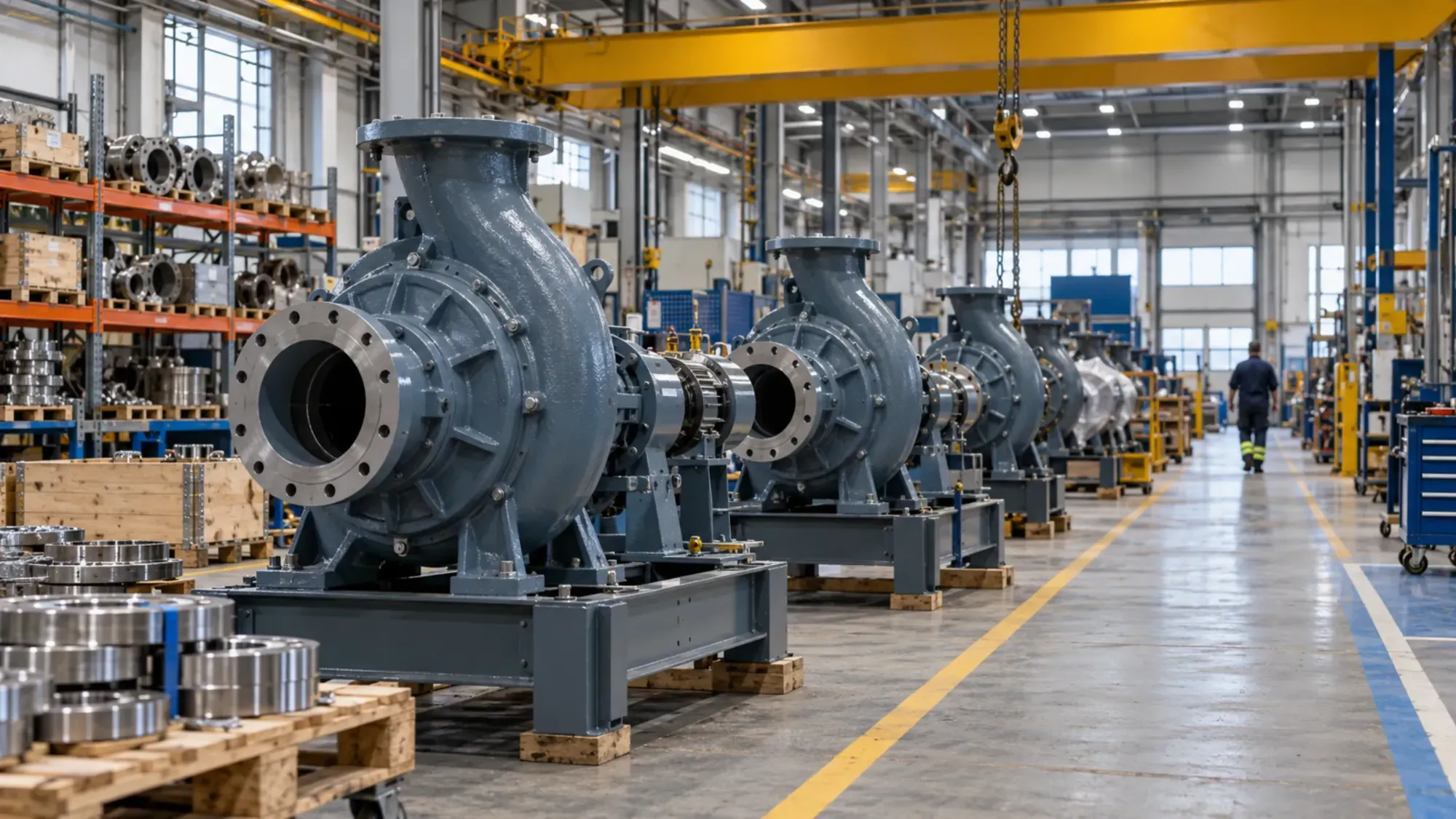
The assembly hall, Västerås
The question, taken apart in week one
The page we wrote on the first day, and what each hypothesis turned out to be once we had the numbers.
Exhibit 0 · Sales are up 14%. Why is our margin down?
ConfirmedPartlyRuled out
The question
Sales are up 14%. Why is our margin down?
Pricing and commercial
Part 1
Are we charging for what we deliver?
- Discounts have drifted: list prices rose, net prices didn’t.Confirmed · net prices flat since 2021 on 60% of accounts
- Small orders and rush jobs are priced like large ones.Confirmed · orders under €2,000 at pallet prices
Part 2
Has the mix moved under us?
- The growth came from our lowest-margin products.Ruled out · mix moved the margin by only 0.6 points
- New customers cost more to serve than they pay.Partly · true for 31 of the 88 new distributors
Part 3
Have costs moved faster than we think?
- Material surcharges lag the index by two quarters.Ruled out · surcharges followed the index within a month
- Overtime and expediting grew with the volume.Partly · expediting doubled; overtime did not
Situation
The company makes centrifugal pumps for water utilities and process industry, and has done so in Västerås since 1951. Sales grew 14% between 2022 and 2024, most of it through 88 new distributors in Germany and Poland. Over the same years EBITA margin fell from 9.4% to 8.2%.
The board’s first explanation was the price of steel, and a surcharge clause had already been rewritten twice. The owner family asked for one thing: an answer they could act on before the 2025 budget.
What we found
Steel explained a small part of it. List prices had gone up three times since 2021, but net prices had not moved: discounts were set by each of 14 salespeople and never reviewed, so every list-price rise was given back in the next negotiation.
Small orders were the second leak. Two in five order lines were under €2,000, priced like pallet orders and shipped at the company’s cost. A third of the new distributors cost more to serve than they paid. Product mix and surcharges, the two things the board had been watching, explained less than a point between them.
Exhibit 1Percentage points of sales
EBITA margin bridge, 2023 to 2025
Source: client ERP and price records, 2023–2025; Kvist analysis
Two-thirds of the recovery came from charging, consistently, for what was already being delivered.
What changed
The diagnostic: a price waterfall for all 1,140 active accounts, and cost to serve for the largest 200.
One discount table by customer tier and volume replaced fourteen sets of private rules. Exceptions need the sales director’s signature.
A €45 surcharge on orders under €2,000, waived for orders placed through the customer portal.
New freight terms for the 40 smallest accounts: free above one pallet, at cost below it.
A monthly price review at the management meeting, with the waterfall as a standing exhibit. We stepped out.
The result
2023
2025
EBITA margin
8.2%
11.3%
Average discount off list
23%
16%
Order lines under €2,000
41%
29%
Sales growth in the year
+7%
+6%
The answer, in 14 pages
What the board received at the end of the diagnostic. The appendix holds every number and how we got it.
The answer, on one page
1
Where the margin went
2
List price against net price
4
Small orders
7
Cost to serve
9
What we ruled out, and why
11
The first 90 days
12
What to look at every month
14

Next engagement
Should we build the second plant?
A packaging group in Borås
·
2024
Something like this on your desk? Bring the question, and a partner will reply within two working days.